A feathery tree near the ocean dancing to the beat of the waves and rhythm of the breeze – it’s hard to tell which one it syncs to more. That is the feeling I get when I look at a Matisse painting. Matisse is the master of capturing movement – humans, trees, linens, even rocks – everything in his world feels uniquely in motion.
I was recently in the South of France, even closer to Matisse’s world. It’s hard not to be taken by the flow here. There’s surety in the footsteps of locals at Cours Saleya who know the stalls they love, visitors fluttering in their indecision between displays, attentive sellers moving between customers – everything feels alive. Nice is unique; you will find people on holiday looking to slow down by the water and also professionals competing in some of the biggest races (like Tour de France and World Ironman Championships that were both held there recently). Until this trip, I hadn’t realized how popular this area is as a home for professional cyclists. A paradise for people who crave motion – through their surroundings, their own bodies or both.
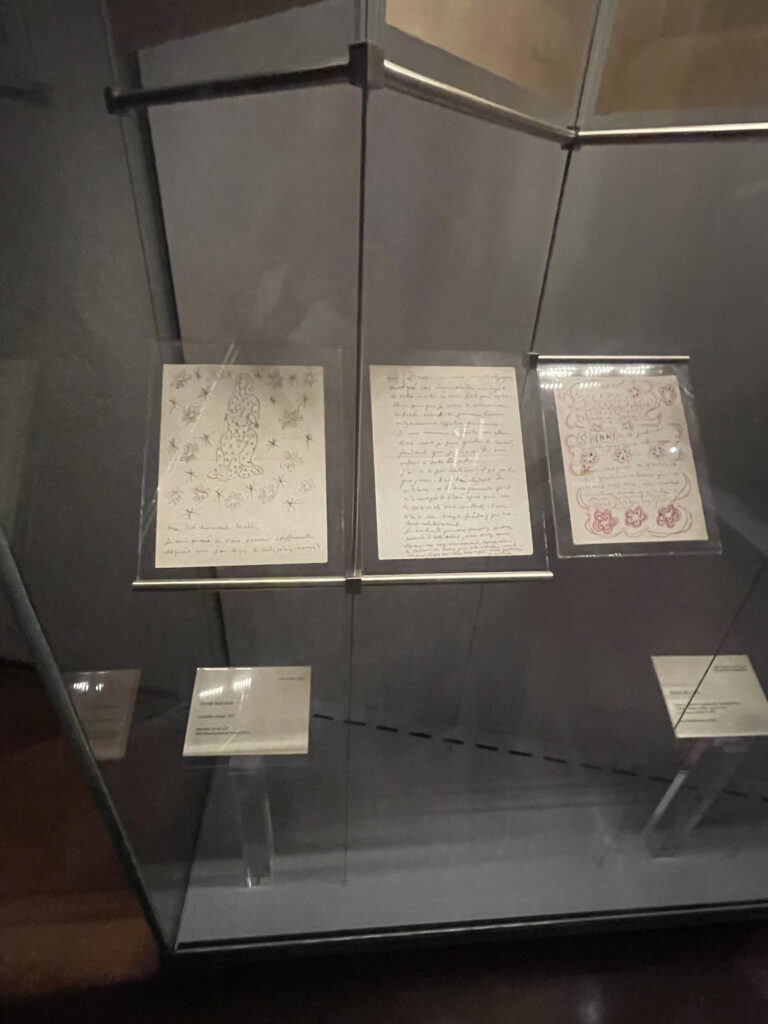
I visited the Matisse museum one afternoon. The collection was extensive – his goldfish series, work in the Mediterranean, paper cutouts – but what lingered with me most were his line drawings. Particularly ones he had sketched to illustrate the two part poem Les Cretois (The Cretans) based on the myth of Pasiphae, Minos and the beautiful bull. When King Minos refuses to sacrifice a sacred bull as promised to Poseidon, the god punishes him by making his wife Pasiphae fall in love with the bull. She gives birth to the Minotaur, a half-man, half-bull creature, whom Minos hides in a labyrinth out of shame. The myth is incredibly visceral, bringing together themes of greed, lust and shame.
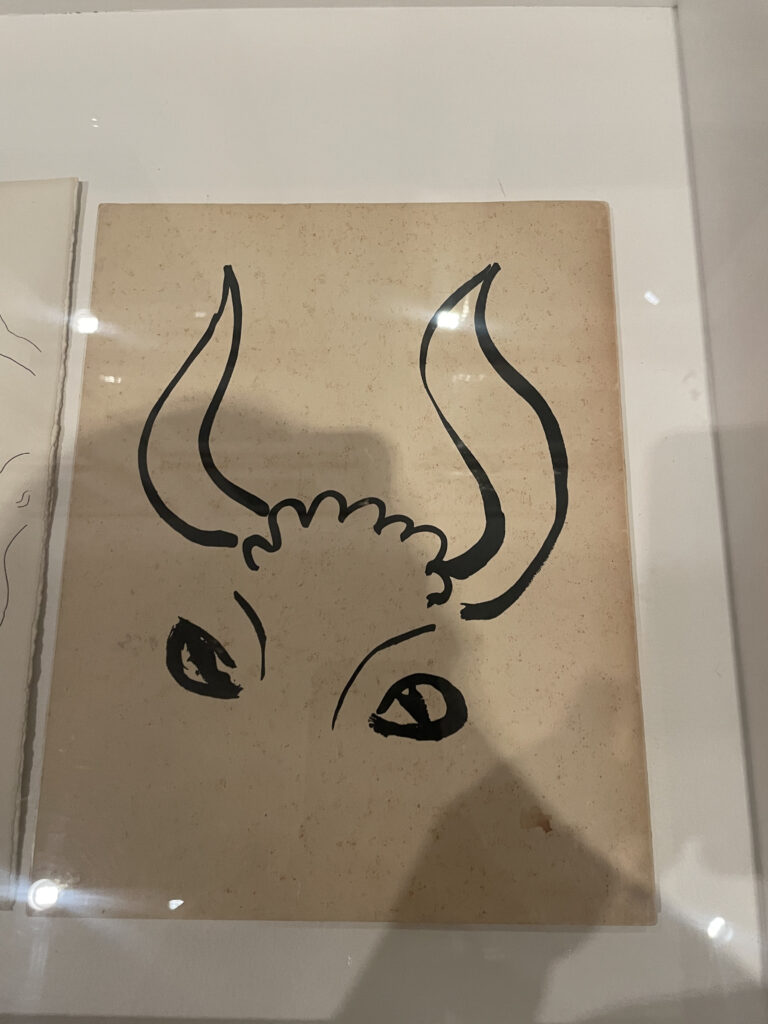
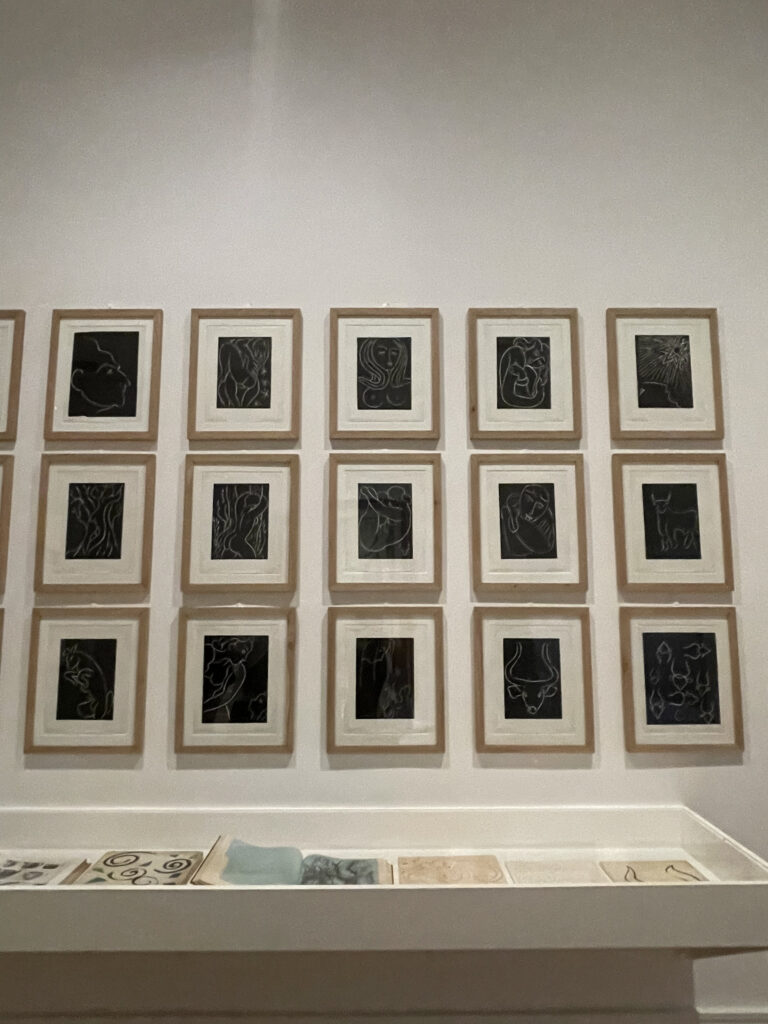
Sketches depicting the story of Pasiphae and Minos
I had seen some of Matisse’s line drawings at the Vatican and remember being very taken by it, even amongst the other vastly opulent works of art. I couldn’t exactly pin down why. But it all clicked for me with this collection. There is surety of essence and yet fluidity of form in Matisse’s line drawings that is invigorating. His strokes are very deliberate, yet effortlessly fluid – making it almost feel like the characters might start moving at any moment!
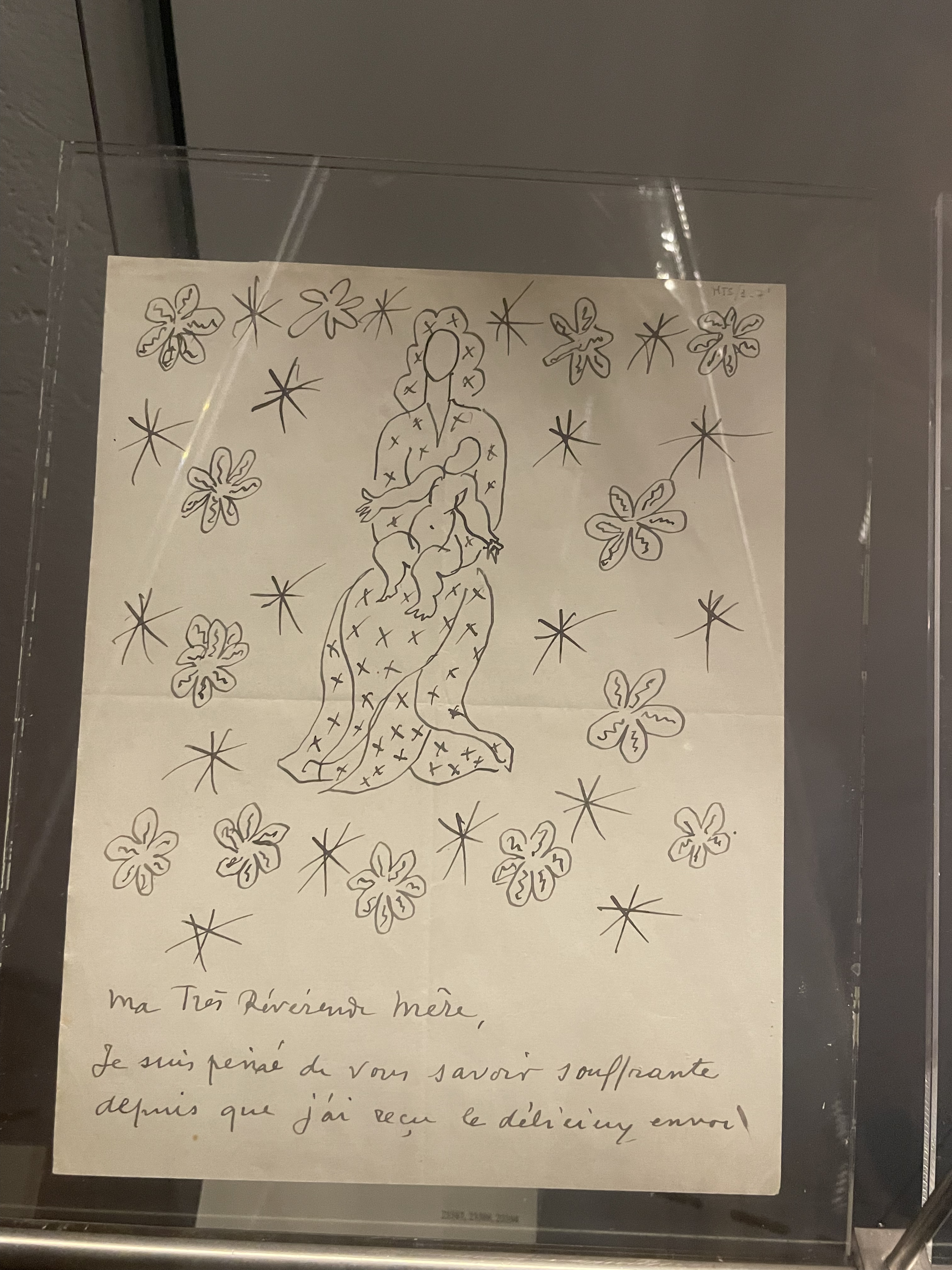
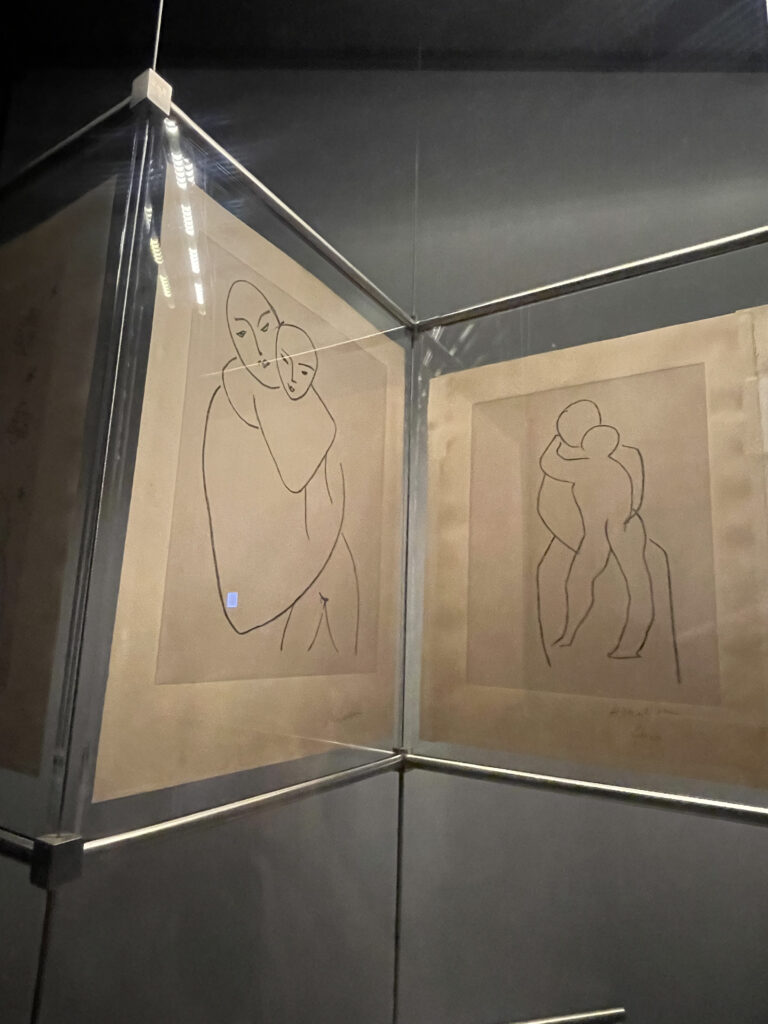
Sketches at the Vatican in the Matisse Room
Matisse constantly experimented and the breadth of his work from traditional to modern art is a testament to that. His range aptly raises the larger question: what makes artistry distinctive? Is it the ornateness or synthesis? Technical mastery or novelty? It was deeply moving to see the way he evokes form and feeling with such minimal strokes. There’s something almost primordial in it, reminiscent of the Chauvet cave drawings where our ancestors also relied on simple lines to depict their world.
For me, the ability to distill the soul of anything to its essence is one of the most beautiful qualities of art – and Matisse does this perfectly. He captures essence with startling clarity.
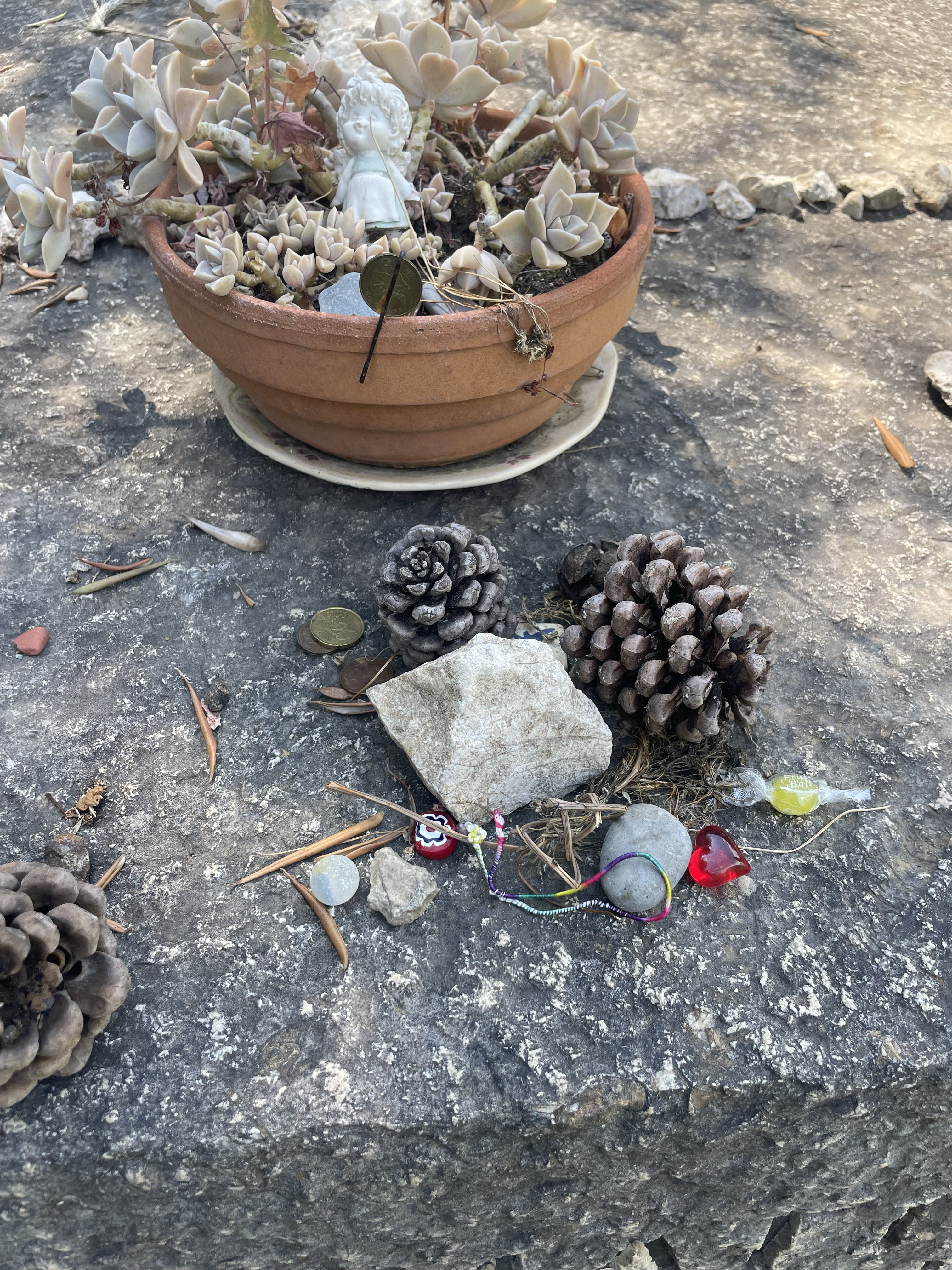
After the museum, I took a 10 min stroll in Cimetière de Cimiez to visit Matisse’s tomb. I was alone when I got there but you could tell others had come before me by the small trinkets left on his grave. An old beautifully twisted olive tree enveloped part of the tomb. The hedges around the tomb were just tall enough to provide shade. Through the gaps of the trees, you could see soft hills dotted with white homes. You could see the clear blue sky with smudges of clouds. You couldn’t see the sea but you could hear the trees, the wind, the birds. And you could certainly feel that the water wasn’t far.
Matisse may not have chosen this exact resting place, but atop this hill – beneath swaying trees, birds in motion overlooking the view – it feels just right.